Advancements in Heat Transfer Equipments: What You Required to Know for Optimal Efficiency
Advancements in Heat transfer systems are changing efficiency across different markets. Advanced products like graphene and nanofluids guarantee substantial improvements in thermal conductivity. The assimilation of IoT and equipment knowing provides chances for real-time tracking and enhanced power effectiveness. However, the landscape of thermal monitoring is swiftly advancing (DVS Heat Transfer Systems). Recognizing these growths is necessary for achieving excellent system efficiency and sustainability in the future. What details developments are forming this makeover?
Emerging Materials for Enhanced Heat Transfer
Advanced Heat Exchanger Layouts
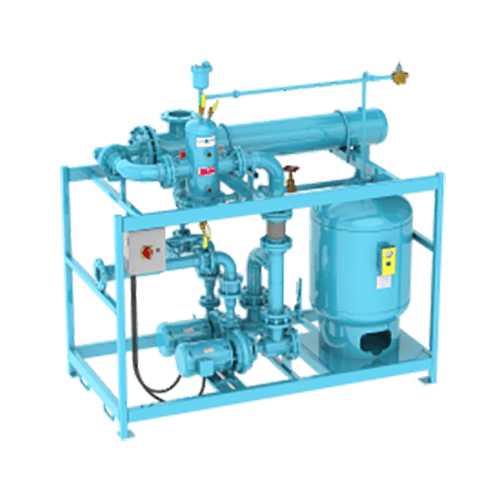
While conventional Heat exchangers have actually offered their objective in various applications, advanced layouts are currently arising to fulfill the increasing demands for performance and performance. These innovative designs, such as plate, shell-and-tube, and finned-tube Heat exchangers, incorporate boosted surface and enhanced flow patterns to enhance thermal transfer rates. Additionally, portable layouts enable lowered space requirements without jeopardizing efficiency. Advanced products, such as composites and corrosion-resistant alloys, in addition enhance toughness and performance under severe conditions. Simulation technologies and computational liquid characteristics are significantly employed to refine these designs, ensuring peak Heat transfer features. As sectors seek to decrease energy intake and make the most of result, the fostering of sophisticated Heat exchanger designs is essential in attaining these purposes.
The Role of Nanotechnology in Heat Transfer
Nanotechnology plays a vital role in enhancing thermal conductivity within Heat transfer systems. By controling products at the nanoscale, scientists have actually achieved considerable enhancements in power effectiveness. These improvements not only enhance performance yet likewise add to more lasting power remedies.
Boosted Thermal Conductivity
Considerable innovations in thermal conductivity have actually emerged through the application of nanotechnology, transforming Heat transfer systems across various markets. By incorporating nanoparticles into Heat transfer fluids and products, researchers have actually accomplished impressive increases in thermal conductivity. These nanoparticles, such as carbon nanotubes, graphene, and metal oxides, improve the Heat transfer residential properties as a result of their high surface location and unique thermal attributes. The resulting composites show improved efficiency in applications ranging from electronics cooling down systems to renewable energy technologies. The capability to customize the size, form, and structure of nanoparticles enables for optimized thermal monitoring remedies. Because of this, nanotechnology proceeds to play a critical role in the growth of a lot more reliable and reliable Heat transfer systems, paving the way for boosted industrial applications.
Energy Effectiveness Improvements

Assimilation of IoT in Heat Transfer Solutions
The assimilation of IoT in Heat transfer systems introduces the application of clever sensors that boost operational performance. These sensing units make it possible for real-time information surveillance, permitting prompt adjustments and optimizations. This technological improvement has the prospective to considerably enhance performance and power monitoring in Heat transfer applications.
Smart Sensors Implementation
As Heat transfer systems progress, the integration of wise sensors with the Internet of Points (IoT) has become a transformative technique. These sensing units enable real-time monitoring of stress, temperature, and flow prices, improving system effectiveness and reliability. By collecting and transmitting data, they assist in aggressive maintenance, lowering the threat of system visit the site failings. Furthermore, smart sensors add to energy cost savings by refining functional criteria based on ecological problems. Their capability to analyze trends and abnormalities permits educated decision-making, ensuring peak efficiency of Heat transfer systems. As industries progressively adopt this innovation, the implementation of smart sensors stands to transform exactly how Heat transfer systems are managed, leading the way for higher sustainability and enhanced performance outcomes.
Real-Time Data Surveillance
Exactly how can real-time information checking improve the performance of Heat transfer systems? By integrating Internet of Things (IoT) technology, Heat transfer systems can utilize constant information collection from smart sensing units. This real-time monitoring enables prompt analysis of temperature level, pressure, and circulation rates, enabling a fantastic read drivers to identify inefficiencies immediately. Adjustments can be made to enhance performance, lower energy intake, and expand devices lifespan. In addition, predictive upkeep can be applied, lessening unexpected downtime and pricey repair work. The capacity to imagine performance metrics with control panels boosts decision-making, fostering a proactive strategy to system management. Ultimately, real-time data keeping an eye on not only boosts operational efficiency yet likewise adds to sustainability goals within commercial processes.
Power Efficiency and Sustainability Trends
Energy effectiveness and sustainability trends are improving the landscape of Heat transfer systems, driving innovation and compliance across numerous industries. Organizations are increasingly prioritizing energy-efficient designs to decrease operational costs and lessen environmental impacts. The integration of sustainable power sources is ending up being more common, allowing Heat transfer systems to operate sustainably while meeting governing requirements. In addition, improvements in products and innovations advertise reduced energy usage and improve general performance. Lifecycle assessments are additionally getting grip, enabling companies to assess the environmental effect of Heat transfer systems from production to disposal. This concentrate on sustainability not only supports corporate obligation yet also positions organizations competitively in a market where consumers significantly favor eco-friendly solutions. Power performance and sustainability continue to be critical considerations for future growths in Heat transfer innovation.
Advancements in Thermal Administration Solutions
While the demand for reliable Heat transfer continues to climb, advancements in thermal administration remedies are emerging to address both performance and sustainability difficulties. Advanced materials, such as phase adjustment products and nanofluids, are being developed to enhance Heat transfer effectiveness - DVS Heat Transfer Systems. These materials enhance thermal conductivity and enable much better temperature regulation in different applications. Furthermore, technologies like energetic thermal control systems are getting traction, making it possible for real-time adjustments to take care of Heat circulation properly. These systems add to power savings and reduce the ecological effect of thermal procedures. Additionally, the assimilation of IoT in thermal monitoring helps with monitoring and anticipating upkeep, guaranteeing maximized performance and longevity of Heat transfer systems. Overall, these advancements represent substantial strides toward more lasting thermal management methods
Future Instructions in Heat Transfer Technology
Emerging improvements in thermal administration solutions indicate an encouraging future for Heat transfer innovation. Researchers are progressively focusing on establishing products with exceptional thermal conductivity and enhanced energy performance. Technologies such as nanofluids, which include suspended nanoparticles, provide substantial enhancements in Heat transfer efficiency. Additionally, the integration of clever products that adjust to varying temperature level conditions is acquiring grip, permitting even more efficient and responsive systems. The increase of additive manufacturing methods is likewise allowing the layout of complex Heat exchanger geometries that enhance liquid flow. Moreover, the implementation of artificial intelligence algorithms is expected to reinvent the optimization of Heat transfer systems, promoting anticipating maintenance and performance enhancement. Collectively, these improvements are poised to change the landscape of Heat transfer technologies in different industries.

Regularly Asked Inquiries
Just how Do I Select the Right Heat Transfer System for My Application?
Picking the right Heat transfer system involves assessing application demands, consisting of temperature level ranges, liquid buildings, and performance requirements. Assessing system Get More Information kinds, upkeep considerations, and cost-effectiveness likewise plays a crucial function in making a notified decision.
What Are the Maintenance Requirements for Advanced Heat Exchangers?
Upkeep requirements for advanced Heat exchangers commonly consist of routine assessments, keeping an eye on for leakages, cleansing of surface areas, and ensuring excellent circulation prices. Adhering to producer guidelines assurances effective operation and prolongs the equipment's lifespan.
Just How Do Environmental Variables Influence Heat Transfer Effectiveness?
Environmental factors considerably influence Heat transfer performance. Variations in humidity, airflow, and temperature impact thermal conductivity and convective Heat transfer, eventually impacting system performance and demanding consideration during the design and procedure of Heat transfer systems.
What Safety And Security Criteria Apply to Heat Transfer Equipments?
Safety and security standards for Heat transfer systems usually include standards from companies such as ASME and ASTM. DVS Heat Transfer Systems. These criteria address materials, layout, and operational techniques to guarantee dependability, performance, and protection against hazards in various applications
How Can I Fix Usual Heat Transfer System Issues?
Troubleshooting usual Heat transfer system issues includes looking for leakages, ensuring appropriate liquid flow, evaluating insulation integrity, and verifying temperature differentials. Determining these elements can assist keep system efficiency and protect against further complications.
Nanotechnology plays a crucial function in enhancing thermal conductivity within Heat transfer systems. Substantial innovations in thermal conductivity have actually emerged with the application of nanotechnology, changing Heat transfer systems across different sectors. Innovations in thermal conductivity through nanotechnology have actually paved the way for remarkable enhancements in power effectiveness within Heat transfer systems. Power efficiency and sustainability fads are improving the landscape of Heat transfer systems, driving development and compliance throughout numerous sectors. The integration of IoT in thermal administration promotes tracking and predictive upkeep, making sure enhanced performance and long life of Heat transfer systems.